Core stability and low back pain papers
17 August 2010 at 22:39
Hmmn
First Eyal Lederman says that core stability is nonsense and then he says that the postural structural biomechanical model is not causative of back pain.
His articles are clear, concise, science based, backed up to the hilt with references and papers and experiments proving his points.
Getting to the core - http://www.cpdo.net/myth_of_core_stability.doc
Firstly I do believe that core stability is a fad, a marketing gimmick, a PR stunt: name it what you will. And it's time is done... for now... until made popular again when people get bored of the next paradigm or fashionable series of exercises (namely because they can't be arsed to engage in movement probably - the next if not current growing paradigm and biggest shift in awareness for the fitness and therapy industries in years!).
The core, like every other body part cannot be separated from the whole and isolated nor should we be led tobelieve that it is the one aspect of our body that holds us all together and intact.
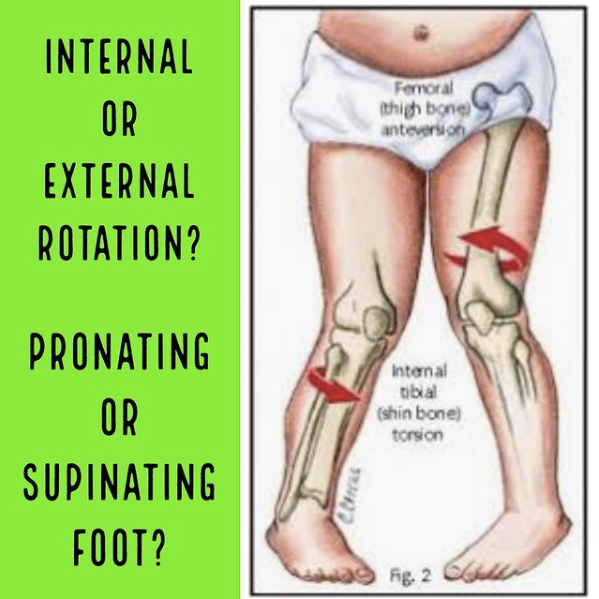
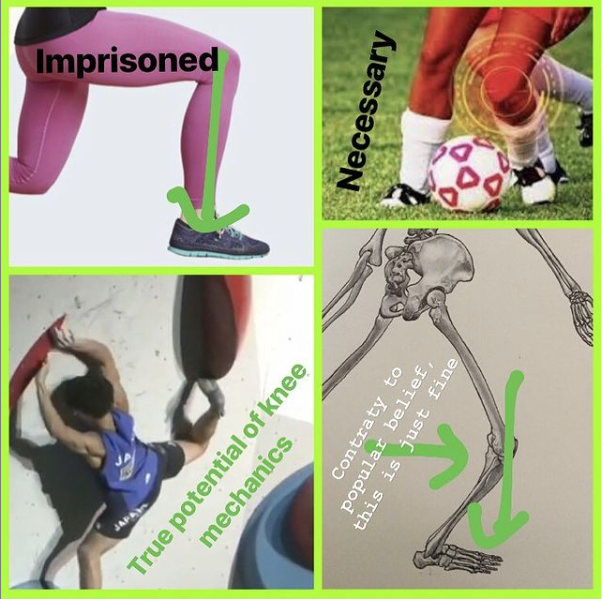
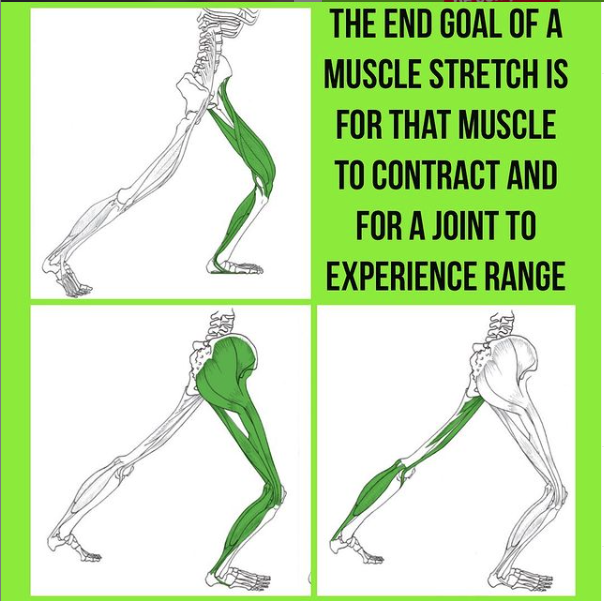
The core is however a very important part of our body and our movement. It's location in the body and attachment to major structures such as pelvis, spine, rib cage, pelvic floor, diaphragm as well as back and butt musculature suggest quite simply that it is related to hip movement, breathing patterns, spinal mobility/alignment and motion of the rib cage as well as locomotor patterns of the glutes, abs, lats and shoulders. The foot and knee are inarguably causing movement in the knee and therefore hip and the movement of the arms drive the ribcage and spine. How on earth can it ever be picked apart and treated as an individual'piece' of our anatomy.
It can't.
Mechanics and back pain - http://www.cpdo.net/Lederman_The_fall_of_the_postural-structural-biomechanical_model.pdf
His second paper does not stand me or AiM in good stead if it is to be believed.
It suggests that the biomechanical model of posture is flawed if we maintain that postural anomalies can be causative of low back pain - that structural alignment is not indicative of causing low back pain either.
Hmmn...
My problem is this: Not everyone has low back pain right? Some people have knee pain, others have hip pain, some ankle, perhaps ITB or a shoulder problem etc etc. So in assessing those with skeletal anomalies such as increased lordosis - I have to agree that not all of them will have back pain, some will be pain free and others will have pain elsewhere (or risk future injury to a part of their body). But he doesn't suggest that these biomechanical anomalies could account for all other injuries and that actually there is more to life, injury and research than back pain.
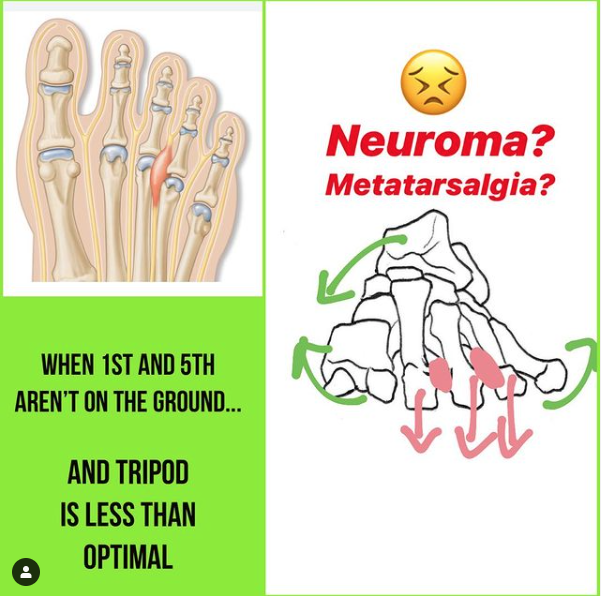
Our biomechanical model approaches tackling this question in a whole new and other way. It has solutions to the postural structural biomechanical model and when applied we notice instant relief in painful areas (back pain or not). Not only can we counter point 8 of Figure 1 on page 2 which states that "correcting foot mechanics has no effect on preventing back pain" but we can prove that all and any injury can be directly traced back to the mechanical function of the foot and this is a very strong aim of ours for the next year, lots of number crunching and validation to be chieved.
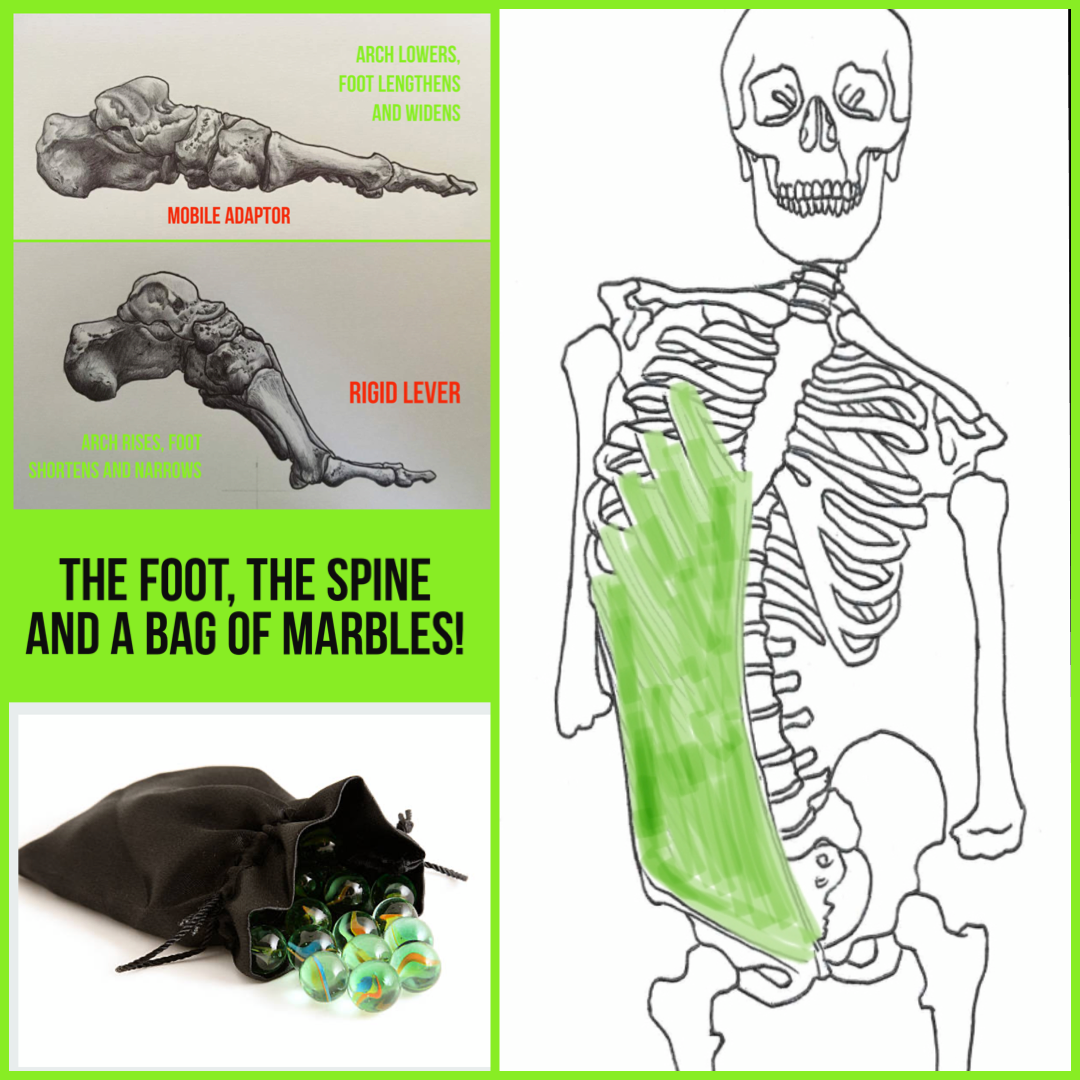
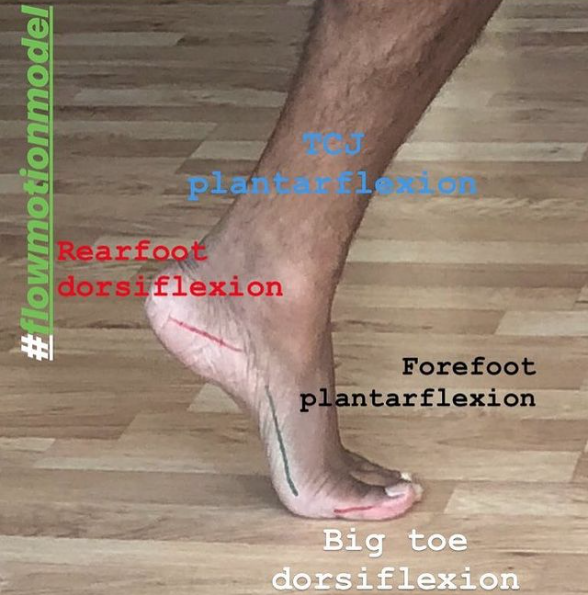
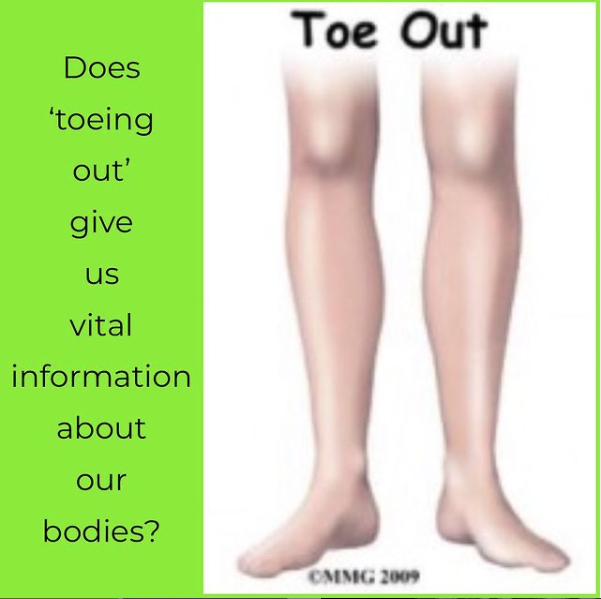
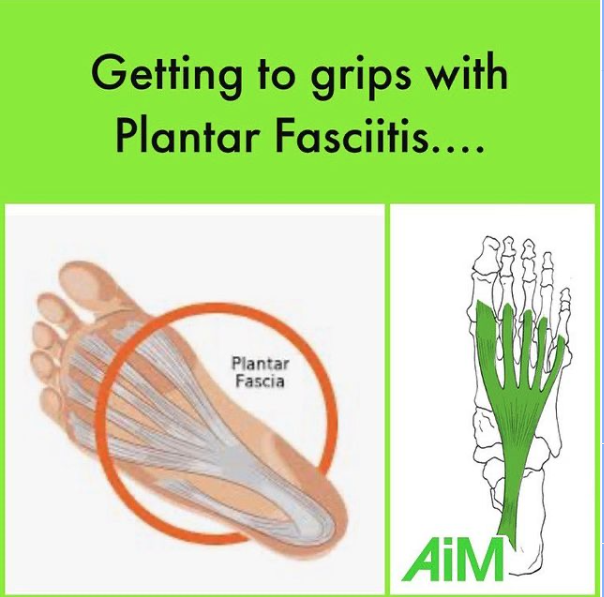
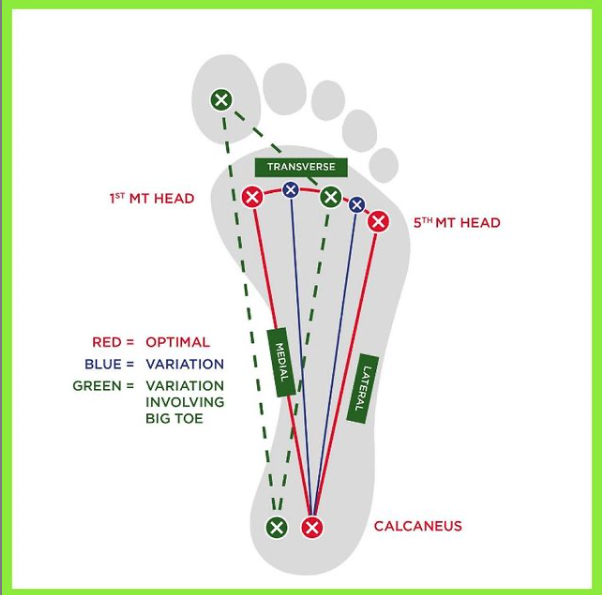
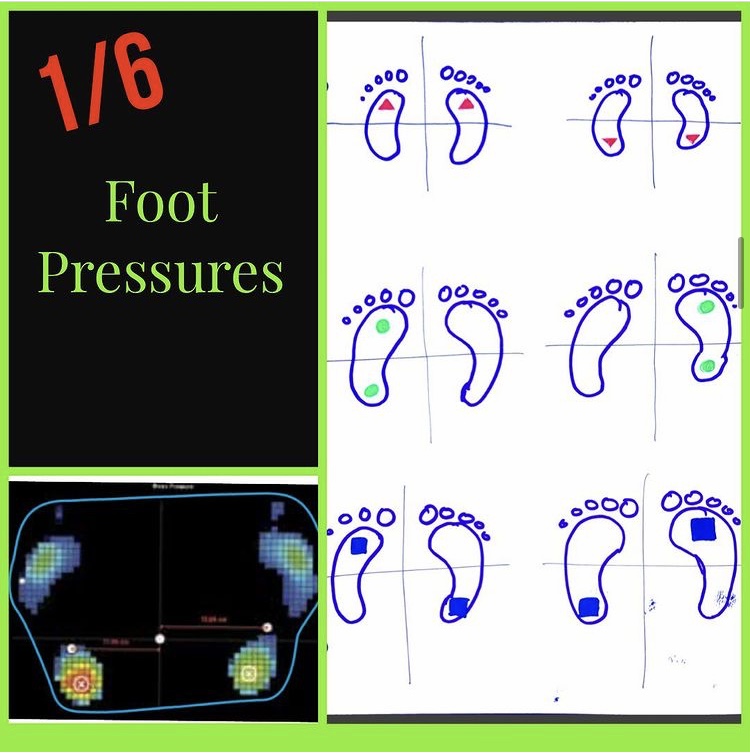
Currently foot mechanics (as referred to by Lederman here) can only be corrected by orthotics or insoles, we correct foot mechanics using the internal system of muscles and joints and it's not as hard as you may think. Our research suggests that by changing the mechanical function of the foot directly affects postural sway, alignment of the foot and all structures above it, enhancing posture, creating efficient and more effective movement and a reduction in the pain in the body - including low back pain.
There are two sides to every story - so remember not to buy into one but to read all acconts and take all information so you may use it to your own benefit , enhance your understanding and make informed choices when working with a client, patient or specific pathology/injury.
Eyal Lederman is an osteopath and an astute mind in terms of osteopathic thought. One article I agree with and one I don't, but that's only because I have the experience and research to challenge his thinking. I'm not saying he's wrong by the way, just that there might be another way...
www.anatomyinmotion.co.uk/courses will get you started with a whole new way of thinking.
Thanks for reading
Gary